Keep Repeating the Same Relationship Patterns, Even When It's Not Satisfactory?
Have you ever found yourself thinking, “Why does this keep happening to me?” Perhaps you notice familiar dynamics playing out in your relationships at work, with friends or with partners even when the people involved seem completely different to one another.
Often, the answer lies not in the present situation but in two unconscious psychological processes that quietly shape how we experience others, projection and transference.
What Is Projection?
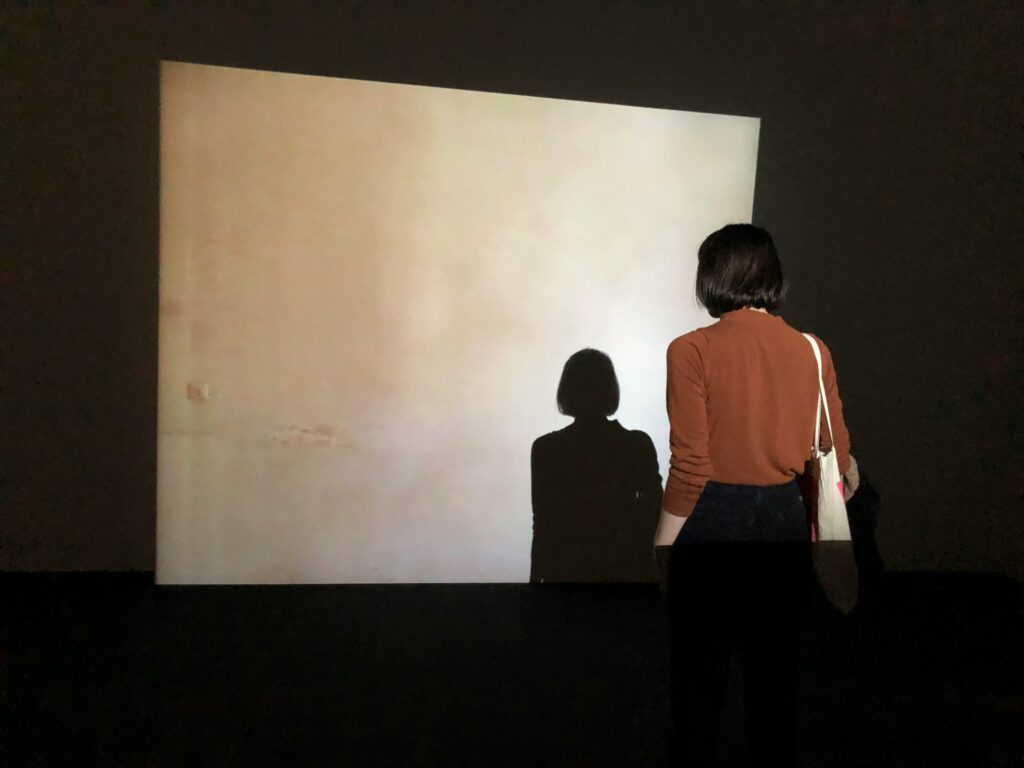
Projection is a psychoanalytical term, often linked to Melanie Klein that has a specific meaning when used in context to therapeutic work. Projection can occur both in the counselling relationship and outside of it. It happens when we unconsciously attribute our own thoughts, feelings or desires to someone else. It’s not something we choose to do, it’s a way of protecting us from parts of ourselves that feel uncomfortable, threatening or hard to accept.
For example, we might accuse someone else of being angry, needy or selfish without recognising those same feelings sit within ourselves. In this way, projection allows us to keep difficult emotions at a safe distance, but it can also distort how we see others. When it arises in the counselling work, we notice it and explore it so that the possibility of it having a detrimental impacts on our other relationships is lessened.
What Is Transference?
Transference is another psychoanalytical term that has a specific meaning when used in context to therapeutic relationship and it can also occur both in the counselling space and outside of it. Transference occurs when feelings originally associated with important people from our past, often parents, carers or authority figures, are redirected onto people in our present lives.
These emotional reactions can feel very real and intense, even when the current situation doesn’t appear to justify them. I often think of them as emotional truths, truths that we can intellectually figure out, but when they arise, they feel true. Transference also happens outside of our conscious awareness, which is why it can be confusing to understand.
How Do These Patterns Show Up in Everyday Life?
Imagine starting a new job and meeting your manager for the first time. Almost immediately you feel intimidated and find yourself desperate for their approval. They haven’t criticised you or behaved harshly yet the feeling is strong. This may be transference, old feelings linked to a critical parent or unpredictable teacher being replayed in a new relationship.
Or perhaps someone speaks confidently in a meeting and you instantly label them as “arrogant.” It might be worth wondering whether their confidence reminds you of a sibling who overshadowed you growing up. In this case, your reaction may be rooted more in past experiences than in the present moment.
Why Awareness Matters
When projection and transference operate unconsciously they can disrupt relationships, fuel misunderstandings and keep us stuck in repetitive emotional loops. When we begin to notice these patterns and become curious about what they're telling us about our past, often something shifts and we find we have more choices in our patterns of relating with other people.
We stop blaming others for feelings that originate within us.
We start taking ownership of our needs instead of disguising them.
We create space for authentic, grounded relationships.
And we gain the freedom to respond thoughtfully, rather than reacting automatically.
Moving Towards Change
Understanding projection and transference isn’t just therapeutic jargon. It can be a useful way of breaking free from long-standing emotional patterns that aren't serving our best interests. Exploring these parts of ourselves can create more choice in how we live and relate to others.
Change often begins with small moments of self-awareness, a pause, a question, a gentle curiosity about our own reactions. What patterns have you noticed in your own relationships? Sometimes our biggest insights come from a small moment of reflection.